Gaming Canada: How the Land of the Maple Leaf Became a Global Video Game Powerhouse
From Montreal's legendary studios to Vancouver's indie gems — a deep dive into the fastest-growing entertainment sector in Canada.
From Montreal's legendary studios to Vancouver's indie gems — a deep dive into the fastest-growing entertainment sector in Canada.
When most people think of Canada, they picture pristine lakes, hockey, and maple syrup. But beneath this wholesome image lies one of the world's most dynamic video game ecosystems. In 2025, the Canadian video game industry generated over $5.5 billion in revenue, employing more than 32,000 professionals across nearly 1,000 studios from coast to coast.
What makes Canada's gaming sector unique? A rare combination of generous tax incentives, world-class universities producing top talent, and a multicultural environment that fosters creativity. From AAA giants like Ubisoft and Electronic Arts to tiny indie teams crafting heartfelt pixel-art adventures, Canada has become a magnet for game developers worldwide.
The undisputed capital of Canadian gaming. Home to Ubisoft Montreal (Assassin's Creed, Far Cry), Warner Bros. Games, and dozens of indie studios. Quebec's 37.5% tax credit on labour costs makes it irresistible for big publishers.
Canada's largest city boasts Rockstar Toronto, Ubisoft Toronto, and a booming indie scene. The Toronto Animation Arts Festival and numerous incubators fuel constant innovation.
EA Vancouver (FIFA, NHL), Relic Entertainment (Company of Heroes), and Blackbird Interactive call this coastal city home. Stunning nature meets cutting-edge game tech.
BioWare's birthplace and still its headquarters. The Mass Effect and Dragon Age creator anchors a growing Alberta scene, with the University of Alberta's game dev program pumping out fresh talent.
Canadian esports has exploded from niche LAN parties to filling Scotiabank Arena. The country now hosts major tournaments for Counter-Strike 2, Valorant, and Rocket League, with Canadian teams like Team Liquid's North American division and Shopify Rebellion competing on the world stage.
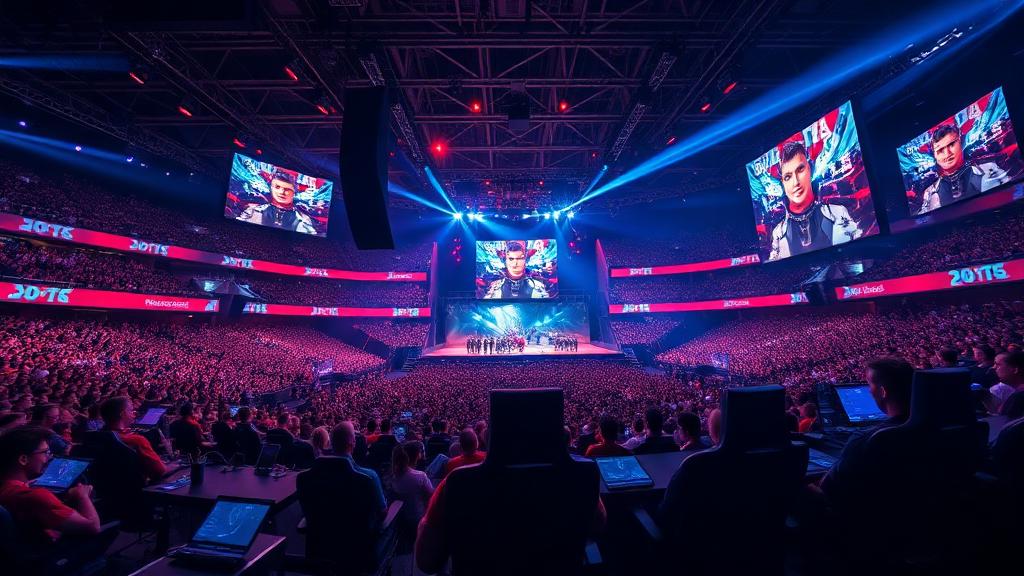
Post-secondary institutions have embraced competitive gaming: the U Sports Canadian Collegiate Esports League now includes over 60 universities, offering scholarships and structured seasons. The 2025 Canadian Games Awards introduced an Esports Athlete of the Year category for the first time, cementing competitive gaming's mainstream legitimacy.
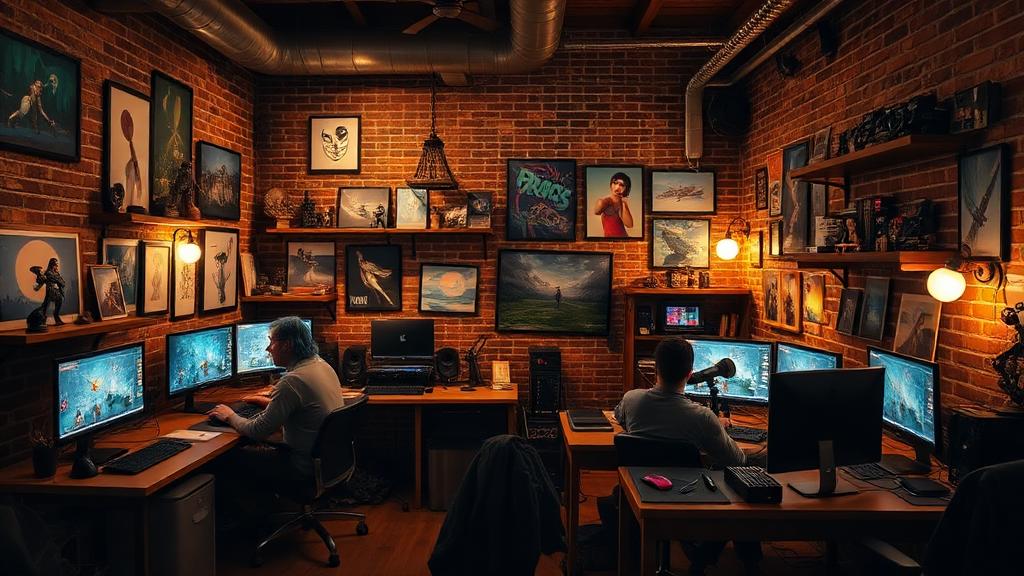
While AAA studios grab headlines, Canada's indie developers are crafting some of the most emotionally resonant games on the market. Titles like Celeste (by Vancouver-based Maddy Makes Games), Spiritfarer (Thunder Lotus, Montreal), and Cuphead (Studio MDHR, Oakville) have won international acclaim.
Programs like the Canada Media Fund's Experimental Stream and provincial indie funds in Quebec and British Columbia help small teams survive the crucial early years. The annual Montreal Independent Games Festival and Toronto's Gamercamp continue to spotlight emerging voices.
Ubisoft Montreal's latest historical epic, blending feudal Japan with the series' signature parkour and stealth.
EA Vancouver's annual hockey simulation remains a cultural institution, with Frostbite engine upgrades and expanded World of Chel modes.
The farming sim phenomenon maintains a massive Canadian player base, with ConcernedApe's relaxing gameplay resonating across all demographics.
Riot's tactical shooter dominates the Canadian competitive scene, with local talent regularly breaking into the VCT Americas league.
Firaxis's 4X masterpiece continues to captivate strategy fans, with Canada as a playable civ led by Wilfrid Laurier.
The MOBA giant remains one of the most-played games in Canada, with the LCS featuring several Canadian pro players.
As the industry matures, Canadian lawmakers are catching up. The federal government's Bill S-269, the "Safe Gaming for Canadians Act," passed in late 2024, establishing a national framework for age-appropriate content ratings, loot box transparency, and player data protection.
Provincially, Quebec's Act Respecting the Protection of Personal Information in the Private Sector now includes specific provisions for gaming companies, while Ontario's Digital Services Tax applies to microtransactions exceeding $50 million in annual revenue. The Canadian Radio-television and Telecommunications Commission (CRTC) has begun consultations on whether competitive gaming should be classified as a "programming service," which could unlock additional funding mechanisms.
Canada's regulatory approach balances innovation with consumer protection — stricter than the United States on loot boxes, but more developer-friendly than the European Union's Digital Services Act.
Canadian studios are leading ethical AI integration — procedural narrative generation, intelligent NPCs, and AI-assisted art pipelines. The Vector Institute in Toronto publishes industry guidelines adopted globally.
With Meta's renewed push and Apple's Vision Pro gaining traction, Vancouver and Montreal studios are pivoting to immersive experiences. The Canadian XR Coalition reports 40% growth in headset-adjacent development.
Environmental sustainability is becoming a selling point. Studios like Eidos Montreal have pledged carbon-neutral development, and the Entertainment Software Association of Canada introduced an eco-certification program for titles meeting energy-efficiency standards.
Microsoft's integration of xCloud with Canadian telecoms (Rogers, Bell, Telus) has brought high-end gaming to rural areas previously limited by hardware costs. 5G rollout in remote communities is a government priority.
From humble beginnings in the 1980s with text adventures and educational software, Canada's video game industry has evolved into a global titan. The combination of financial incentives, educational excellence, and cultural diversity creates an ecosystem that consistently punches above its weight.
Whether you're a developer dreaming of joining Ubisoft Montreal, an esports athlete aiming for the world stage, or a player discovering your next favourite indie gem, one thing is clear: in the world of video games, Canada is no longer just a player — it's setting the rules.